Jump6of 100 · 92 M km from Earth
Mercury: 430 °C by day, −180 °C at night
Mercury goes from 430 °C by day to −180 °C at night, is not the hottest planet and a moon of Jupiter is bigger. Facts with their sources.
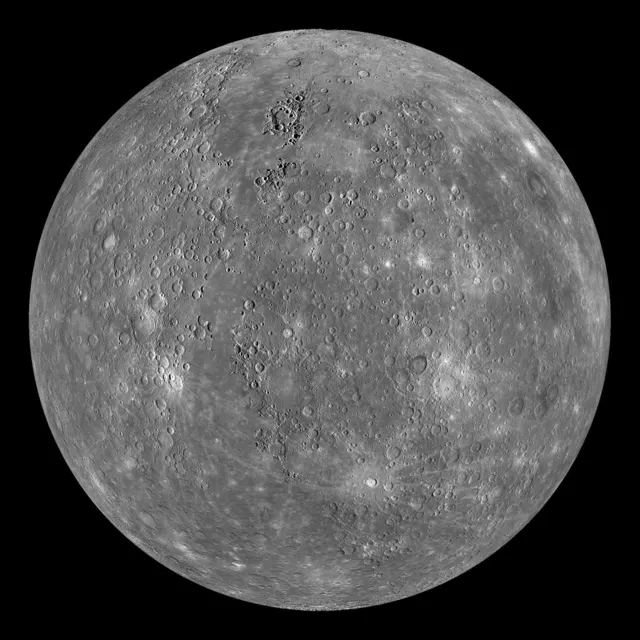
Curious facts
-
430 °C by day, −180 °C at night
It is so close to the Sun that its surface reaches 430 °C by day. With almost no atmosphere to hold that heat, it drops to −180 °C at night. 1
-
And still not the hottest
The hottest planet is Venus, even though it is farther from the Sun: its thick atmosphere traps the heat. 12
-
A moon bigger than it
Ganymede, Jupiter’s largest moon, is bigger than Mercury. In size, not in mass: Mercury weighs more. 3
Mercury in Orbit
In the game, Mercury is jump 6 of the route, 92 M km from Earth. Its logbook card says:
Logbook · Jump 6
No air: 430 °C by day, −180 °C at night
Two steps with the Google account you use on Play: join the group, then download the test. Google Play can take a while, sometimes more than an hour, before it lets you download it; if you see “Item not found”, wait and try again.
Sources
- NASA, Mercury Facts. science.nasa.gov/mercury/facts
- NASA, Venus Facts. science.nasa.gov/venus/venus-facts
- NASA, Ganymede. science.nasa.gov/jupiter/jupiter-moons/ganymede
Checked between 8 and 11 October 2026.
Image: NASA/Johns Hopkins University Applied Physics Laboratory/Carnegie Institution of Washington · original